
Leave No Trace Principles For Hillwalkers
Why Leave No Trace Matters on UK Hills
The UK’s hills and fells are remarkably fragile. Peat hags erode with a single careless boot, arctic-alpine plants take decades to recover, and a dropped wrapper can sit in a cairn for years. Leave No Trace is not about rules for their own sake. It is a simple promise: that the next walker, climber or wild camper finds the same unspoiled place you did. Whether you are on a busy path in the Lake District, a remote Munro in the Highlands or a quiet fell in the Pennines, your choices add up. The good news is that the principles are straightforward, practical and easy to build into any day out.
Stick to Paths and Durable Ground
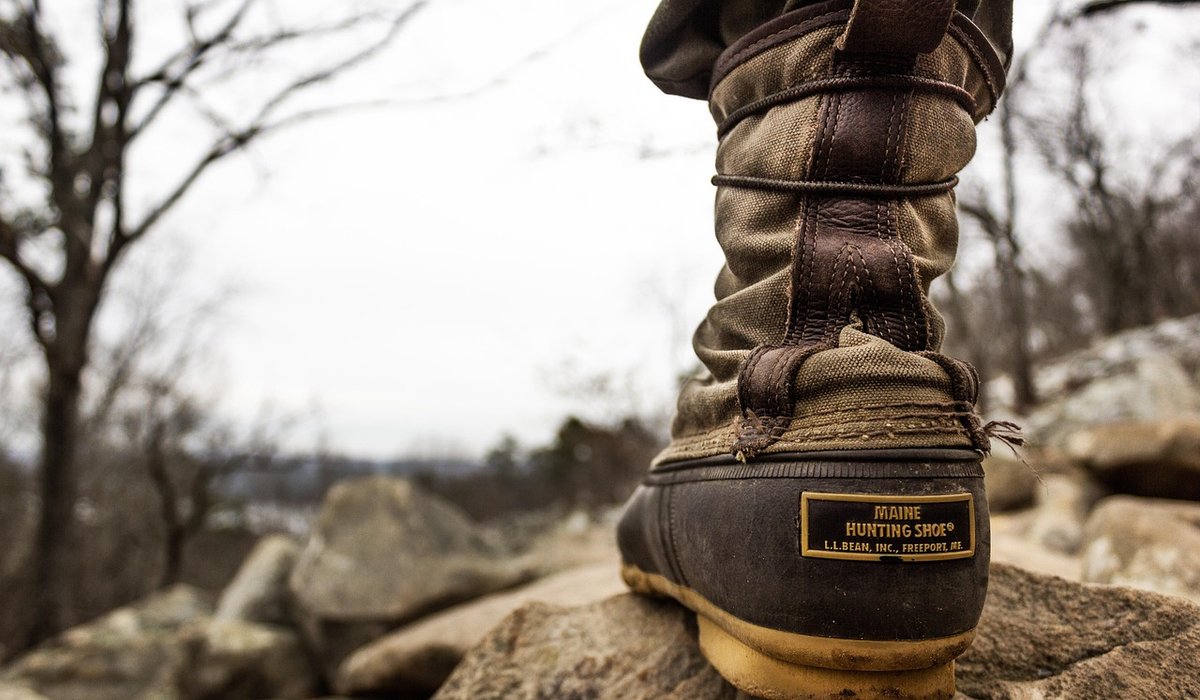
Paths exist for a reason: they concentrate foot traffic and protect the vegetation that holds our uplands together. When you cut a corner, widen a boggy section or walk beside a path “to avoid the mud”, you trample the very plants that keep the soil in place. On peat, that damage can last for generations. Stay on the path even when it is wet, rocky or steep. If a path is badly eroded, the best thing you can do is walk straight through the muddy section rather than spreading out. Where there is no path, choose durable surfaces: rock, gravel, dry grass or bare earth. Avoid moss, lichen, dwarf willow and cotton grass. In winter, think about snow and ice – they protect fragile ground, so avoid trampling through thin cover. If you are walking in a group, walk in single file on narrow paths to avoid creating new braids.
Carry Out Everything You Bring
Litter is the most visible sign of carelessness. But it is not just crisp packets and bottles. Fruit peel, apple cores, banana skins, tea bags, eggshells and nut shells are all litter in the uplands. They do not rot quickly in cold, acidic soil, and they can harm livestock and wildlife. Bring a small stuff sack for your own rubbish, and pick up a few pieces left by others – it costs nothing and makes a real difference. If you can carry it up full, you can carry it down empty. Do not bury litter or hide it under rocks; it will reappear. Micro litter matters too: dropped crumbs attract scavengers, and plastic fragments blow away before you notice. Check your pockets and pack before you leave the car, and again before you head home.
Answer the Call of Nature Responsibly
Sooner or later, nature calls. In popular areas where burial is not possible – high mountain plateaus, peat bogs, or busy honeypot spots – the best option is to carry out solid waste in a sealed bag. Where burial is acceptable, dig a hole 15–20cm deep, at least 30 metres from water, paths and crags. Use a small trowel, not a boot heel. Carry out toilet paper in a separate bag; it does not decompose reliably and it is unsightly. Urinate on rock, gravel or bare ground, well away from paths and fragile plants – urine can scorch vegetation and leave a lasting mark. If you use a pee cloth, pack it out. The goal is simple: no one should know you were there.
Camp Wild and Discreetly
Wild camping is a privilege, not a right, in most of the UK. Where it is allowed, keep it small, quiet and temporary. Choose a pitch on durable ground – hard-wearing grass, gravel or rock – and avoid hollows where water gathers. Arrive late, leave early, and keep groups tiny. Do not dig trenches, cut vegetation or move rocks to make a “better” pitch. If you shift a stone, put it back. Use a stove for cooking, not a fire; fires scar the ground, risk wildfires and leave blackened rings that last for years. Keep noise low, and leave the spot so it looks untouched. The best wild camp is one that leaves no trace at all.
Respect Wildlife, Livestock and Other People
Ground-nesting birds such as curlew, lapwing and golden plover are easily disturbed between March and July. Keep dogs on a lead or under close control near moorland, and give nesting areas a wide berth. Sheep, cattle and ponies graze freely on many fells – do not feed them, chase them or let dogs worry them. Close gates behind you, even if they were open, and use stiles properly. Other people are part of the landscape too: yield on narrow paths, keep music to yourself, and give climbers and runners space. If you see someone struggling, offer a hand. A warm word costs nothing and keeps the hills welcoming for everyone.
tag: Outdoor Skills

Rory MacLeod Author
Look beyond temperature: wind speed, cloud base and precipitation chance shape whether a ridge or valley route is sensible.
YOU MAY ALSO LIKE

Reading Mountain Weather Forecasts For Hill Days
Jul 21
10Rinse mud off, use a gentle cleaner and reproof regularly to keep breathable fabrics working through many wet seasons.
read more
Caring For Waterproof Clothing After Wet Walks
Jul 15
10Learn common signs for paths, walls, streams, crags and access land so you can interpret the map quickly in poor visibility.
read moreHillwalking
-

ERRIC CATONA
Mix slow-release carbohydrates with salty and sweet treats, then eat little and often to avoid energy dips on steep climbs.
May 19, 2016 at 5.12 pm
Reply
ERRIC CATONA
Practise balance, hand placements and route choice on easy graded ground before progressing to longer, more exposed mountain days.
May 19, 2016 at 5.12 pm
Reply -
ERRIC CATONA
Research access, parking and the best season for your chosen summit, then enjoy a manageable goal beyond ordinary weekend walks.
May 19, 2016 at 5.12 pm
Reply
Peak Bagging
Your email address will not be published.