
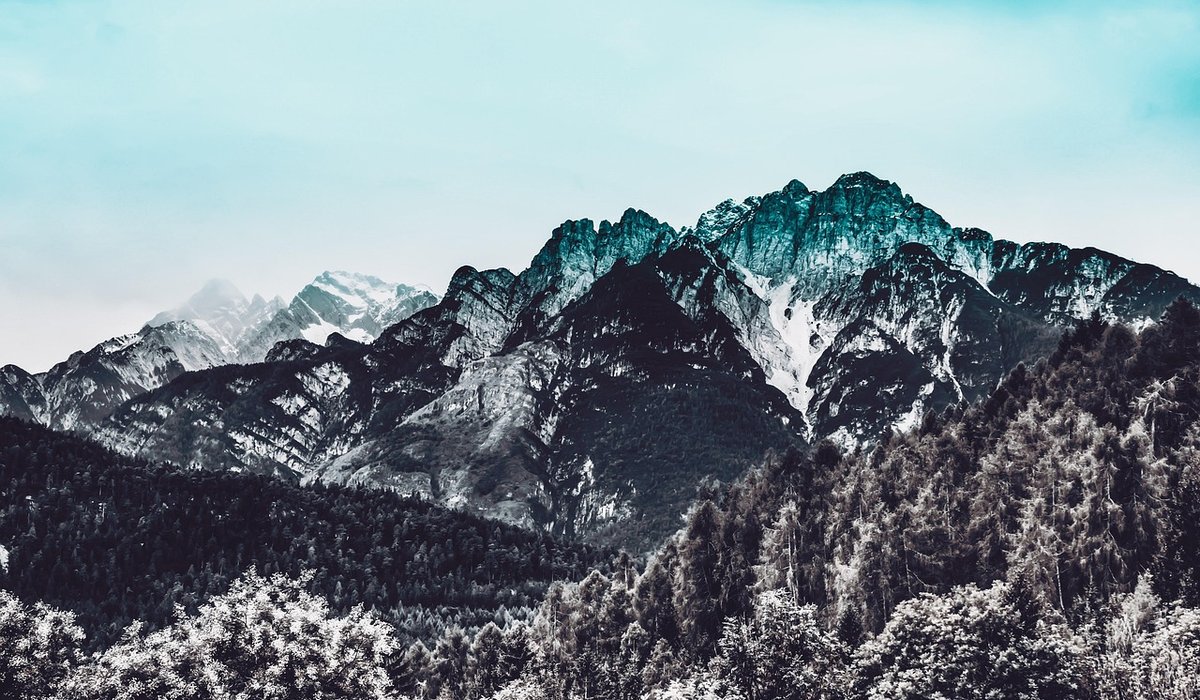
Planning A First Wild Camp In The Hills
Know Where You May Legally Pitch
Wild camping in the UK is a patchwork of rights, permissions and local quirks, and getting this wrong on your first night is the quickest way to spoil the experience. In Scotland, the Land Reform (Scotland) Act 2003 gives you a right of responsible access, which includes lightweight, short-stay camping on most unenclosed land — but not in enclosed fields, not on roadsides, not in built-up areas, and not in some popular loch shores where local byelaws now require a permit between spring and autumn.
In England and Wales the position is far more restrictive. Wild camping is generally a matter of the landowner's permission, and Dartmoor — long the one place with a presumed right — has seen that right heavily curtailed on most commons. So the practical rule is simple: assume you need permission unless you can point to a clear legal basis. That might mean asking a farmer, using a campsite for the first night to build confidence, or camping on access land with the landowner's blessing. Many upland farmers are far more amenable than walkers expect if you ask politely in advance and promise to be gone by morning.
Plan The Route Around Water, Not The Other Way Round
A first wild camp is a water logistics problem wearing a rucksack. In the hills you will sweat more than you think, and a litre weighs a kilogram, so the temptation is to carry too little and hope to refill. That hope gets people into trouble.
Upland streams, tarns and springs are not automatically clean. Sheep, deer and cattle graze high ground, and Cryptosporidium and Giardia do not announce themselves. Treat every source unless you are collecting from a fast-flowing burn above the last grazing, and even then be cautious.
- Carry at least two litres per person for a summer overnight, three in heat or on long approaches.
- Take a filter or purification tablets, plus a stove so you can boil if needed.
- Collect from flowing water, not standing pools, and never from a tarn with obvious livestock activity.
- Pitch at least 30 metres from any water source — this keeps the bank intact and gives wildlife undisturbed access.
Plan the day so you arrive at your pitch with an hour or two of daylight left. Arriving in the dark on tired legs turns a lovely evening into a fumble.
Pack For Cold, Wet And Biting Things
Hill nights are colder than the valley forecast suggests, often by five degrees or more, and a clear sky means radiative cooling that will find every gap in your sleeping setup. Your shelter is only as good as the system around it.
- A three-season tent or a well-pitched tarp, with pegs suited to peaty or rocky ground.
- A sleeping mat with a decent insulation value — the ground steals more heat than the air.
- A bag rated a few degrees below the forecast low, plus a dry bag to keep it that way.
- Spare insulation layers, a hat, gloves and dry socks reserved strictly for sleeping.
- A headtorch with fresh batteries, a small first aid kit and a means of calling for help.
- In Scotland from May to September, a midge head net. It weighs nothing and saves evenings.
Carry a paper map and compass and know how to use them. A phone is a backup, not a plan.
Pitching Well Is Half The Battle
Choose ground that is flat, slightly elevated and sheltered from the prevailing wind, but not so sheltered that you are in a frost hollow or a drainage line. Avoid the obvious beauty spot beside the path: it is likely to be boggy, well-trodden and occasionally visited by others at odd hours.
Look up before you commit. Dead branches in a woodland pitch, or loose rock on a crag above, are not worth the risk. Orient the tent door away from the wind, pitch on durable ground such as gravel or bare earth where possible, and resist digging drainage ditches — they scar the ground and rarely work.
Leave Nothing But Footprints
The whole appeal of waking beneath the stars is a landscape that looks untouched. Keep it that way.
- Take everything out, including food scraps, tea bags and toilet paper. Burn nothing and bury nothing except human waste.
- If there are no facilities, dig a hole about 30 centimetres deep, well away from water, paths and pitches, and cover it properly.
- Use a stove rather than a fire. Open fires damage peat, leave scars and are banned on most access land.
- Do not break branches, dam streams or build cairns.
- Keep groups small and quiet, and move on in the morning as if you were never there.
First Light, Then The Walk Out
Before you sleep, check the forecast once more and set a rough departure time. Mornings in the hills are often the best part: mist in the valleys, no wind, and a brew that tastes better than any café coffee. Pack while you eat, shake the dew from the flysheet, and give the pitch a final sweep for anything dropped in the dark.
Tell someone at home where you are going and when you expect to be back, and stick roughly to that plan. Your first wild camp does not need to be remote, high or ambitious. A short approach, a legal pitch and a dry night will teach you more than a heroic epic ever could. Get that right, and the hills will keep giving you nights worth remembering.
tag: Wild Camping

Priya Nair Author
Know where you may walk, what gates to close and how to respect farmers while enjoying open countryside paths.
YOU MAY ALSO LIKE

Understanding Access Rights On Private Land
Sep 7
10Exposed ridgelines offer clear handrails and natural checkpoints, helping you practise bearings and timing in real conditions safely.
read more
Best Ridge Walks For Improving Navigation Skills
Sep 3
10Layer spare insulation, waterproofs, food and a basic shelter so sudden showers or wind do not cut your walk short.
read moreHillwalking
-

ERRIC CATONA
Early symptoms include slurred speech, poor coordination and unusual tiredness, so act quickly with shelter, warmth and sugar.
May 19, 2016 at 5.12 pm
Reply
ERRIC CATONA
Valley paths and woodland trails offer shelter when summits are shrouded, keeping your walking habit steady through grey weather.
May 19, 2016 at 5.12 pm
Reply -
ERRIC CATONA
Unbuckle your rucksack, use poles for balance and choose a wide shallow section rather than a fast narrow channel.
May 19, 2016 at 5.12 pm
Reply
Peak Bagging
Your email address will not be published.