
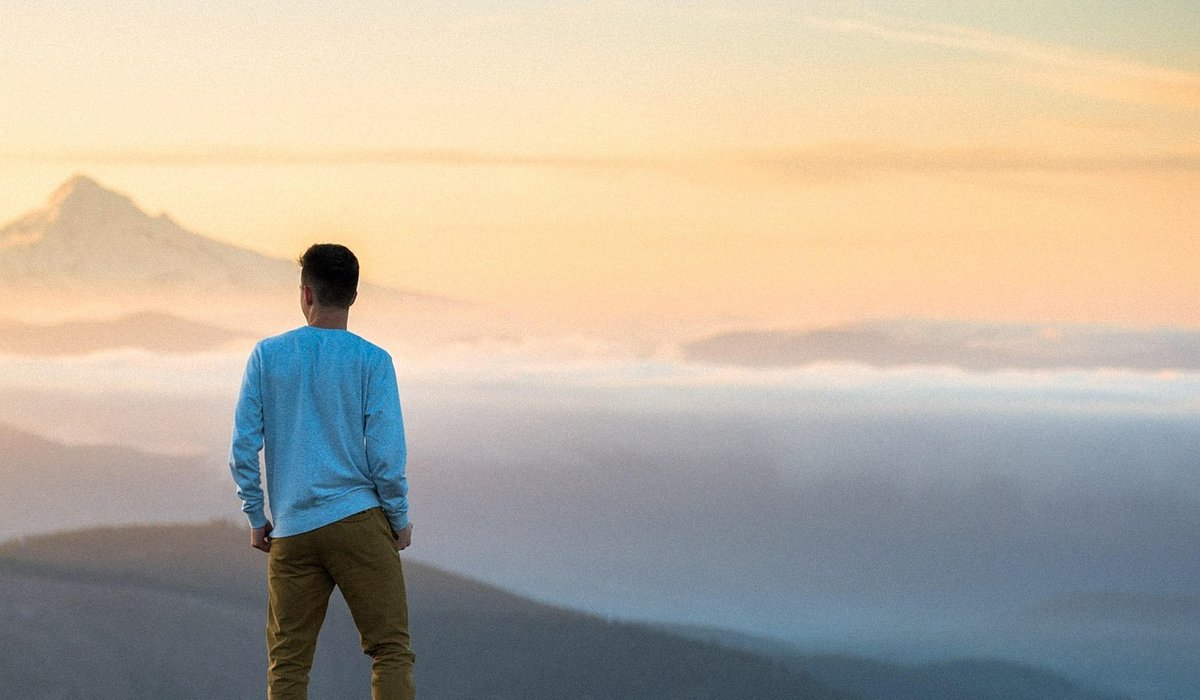
Essential Mountain Safety Checks Before Setting Off
Read the Forecast Like a Mountaineer
A hill forecast is not a weather forecast with a hill on the front. Look for the numbers that change decisions: summit wind speed and direction, cloud base, freezing level, and the timing of any change. A steady 20 mph breeze on the ridge is a pleasant day out; the same ridge at 45 mph with gusts is a different mountain entirely, and most people turn back somewhere around the point where they are being pushed off balance.
Check the mountain area forecast the night before and again over breakfast. British weather shifts quickly, and a forecast issued eighteen hours earlier can be badly out of date by the time you park. Pay particular attention to cloud base: if it is forecast below 600 metres, assume you will be navigating in mist and plan the route as a navigation exercise rather than a viewpoint walk. In winter, add the avalanche report and the state of the paths to your reading.
Plan Timings Honestly and Set a Turn-Back Time
Most rescues on UK hills begin with a late start and an optimistic finish time. Work out your day properly. A reasonable baseline is around 5 km/h on easy ground, plus roughly one minute for every 10 metres of ascent, then add time for rough terrain, bog, scree and steep descents. Add half an hour for a group with mixed pace, and remember that the slowest person sets the speed — not the fittest.
Then do two things:
- Write down your estimated finish time and tell someone what it is.
- Decide a turn-back time before you set off, based on daylight and energy, not on how close the summit looks at 2pm.
Check sunset too, and add an hour of margin. In December the light can be gone by 4pm in the Lakes or Snowdonia, and you may well be finishing the last kilometre in darkness regardless of your plan.
Kit That Earns Its Place in the Pack
You do not need to carry everything, but you do need the things that get you out of trouble. The following earn their weight on almost every UK hill day:
- Waterproof jacket and trousers — carried, not left in the car, even when it is sunny at the car park.
- A spare warm layer — an insulated jacket or fleece kept dry in a bag, plus hat and gloves.
- Headtorch with spare batteries — a phone torch is not a substitute when you need both hands on a stile.
- Map and compass — paper, or a paper copy as backup, plus the knowledge to use them.
- Emergency shelter and a foil blanket — a bothy bag turns a cold, wet stop into a survivable one.
- Food and water — more than you think you need, including something you can eat without stopping.
- Fully charged phone in a dry bag — for emergencies, not for navigation.
Test your headtorch before you leave. Check your waterproofs have not been quietly sitting in a damp rucksack since last winter. Small failures here become big problems at 900 metres.
Leave a Plan Behind You
Someone at home should know four things: where you are going, your route, your expected finish time, and who to ring if you are not back. Give them the car registration and the exact parking spot, because "we're doing Helvellyn" is not a searchable plan.
Agree a cut-off point for raising the alarm — typically when you are an hour or two past your estimated return, and before dark. The mountain rescue teams would far rather be called out to a group who arrived safely and forgot to text than to a group found at midnight. Keep your phone in a warm inside pocket to preserve battery, and remember that signal on the fells is patchy at best, so do not rely on calling from the summit.
The Honest Chat Before You Walk
Before you set off, look at each other and answer three questions: is everyone fit enough, does everyone have the kit, and does everyone know the route and the turn-back time? If one person has cotton trousers, no waterproof and a hangover, the whole group's day is compromised.
Nominate a navigator and a backup navigator. Agree who carries the group shelter and the first aid kit. If anyone is nervous, say so now rather than on the exposed section. A group that talks openly at the car park rarely falls apart on the ridge.
The Two Minutes Before You Lock the Car
Do a final sweep. Boots laced properly, layers adjusted for the first climb, rucksack straps comfortable, map in a pocket you can reach without taking the bag off. Look at the sky above the hills, not the sky above the car park, and compare it with what the forecast promised.
Then check yourself one last time: forecast read, route timed, turn-back set, kit complete, someone knows where you are, and the group is honest about the plan. Do that, and you can walk out of the car park with a clear head and enjoy the hills the way they deserve to be enjoyed.
tag: Mountain Safety

Eleanor Hartley Author
Choose a legal pitch, carry enough water and leave the landscape unchanged when you wake beneath the stars.
YOU MAY ALSO LIKE

Planning A First Wild Camp In The Hills
Sep 11
10Know where you may walk, what gates to close and how to respect farmers while enjoying open countryside paths.
read more
Understanding Access Rights On Private Land
Sep 7
10Exposed ridgelines offer clear handrails and natural checkpoints, helping you practise bearings and timing in real conditions safely.
read moreHillwalking
-

ERRIC CATONA
Layer spare insulation, waterproofs, food and a basic shelter so sudden showers or wind do not cut your walk short.
May 19, 2016 at 5.12 pm
Reply
ERRIC CATONA
Early symptoms include slurred speech, poor coordination and unusual tiredness, so act quickly with shelter, warmth and sugar.
May 19, 2016 at 5.12 pm
Reply -
ERRIC CATONA
Valley paths and woodland trails offer shelter when summits are shrouded, keeping your walking habit steady through grey weather.
May 19, 2016 at 5.12 pm
Reply
Peak Bagging
Your email address will not be published.